


Blog

All New Vehicles Service Used Cars Collision Center Parts & Accessories

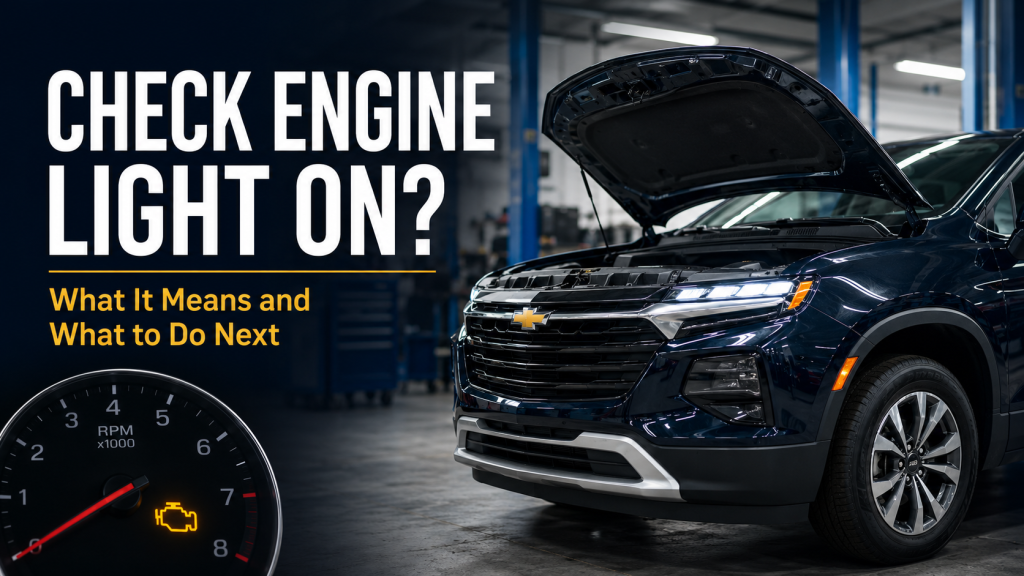
Check Engine Light On? What It Means and What to Do Next

Check Engine Light On? What It Means and What to Do Next Reviewed by the Voice Motor Sales Service Department in Kalkaska, Michigan Few dashboard warnings get a driver's attention quite like the check engine light. Sometimes it appears even though the vehicle seems to be running normally. Other times, it may come on along with rough running, reduced power, unusual noises, or another noticeable change. The important thing to know is that a check engine light does not point to one specific problem. Your vehicle's onboard diagnostic system monitors many different components and systems, and the light can be triggered for a variety of reasons. Understanding the difference between a steady check engine light and a flashing one, knowing what symptoms to watch for, and having the vehicle properly diagnosed can help you decide what to do next. What Does the Check Engine Light Mean? Modern vehicles use computers, sensors, and electronic control modules to monitor engine performance, emissions-related systems, fuel delivery, ignition, airflow, and many other functions. When the vehicle detects a problem that falls outside its expected operating range, it may store a diagnostic trouble code and turn on the check engine light. The light itself does not tell you exactly which part needs to be replaced. Instead, it tells you that the vehicle has detected something that should be investigated. Steady vs. Flashing Check Engine Light: What's the Difference? One of the first things to notice is whether the check engine light is steady or flashing. Steady Check Engine Light A steady check engine light generally means the vehicle has detected a fault that should be diagnosed. The vehicle may still appear to drive normally, but that does not necessarily mean the issue should be ignored. If the light is steady and the vehicle is otherwise operating normally, check your owner's manual and arrange to have the vehicle inspected within a reasonable amount of time. Flashing Check Engine Light A flashing check engine light can indicate a more serious condition that may require immediate attention. If the light begins flashing, especially if the engine is shaking, losing power, running roughly, overheating, or making unusual noises, reduce your speed and find a safe place to stop. Continuing to drive under some conditions can result in additional damage. Refer to your owner's manual and contact a qualified service facility for guidance. If you are unsure whether the vehicle is safe to drive, arranging a tow may be the safer option. Common Reasons a Check Engine Light May Come On There are many potential causes, ranging from relatively simple issues to problems that require more extensive diagnosis or repair. Depending on the vehicle, possible causes can involve: Ignition system components Spark plugs or ignition coils Fuel delivery components Air intake or airflow sensors Oxygen sensors Emissions-related components Evaporative emissions system leaks Engine timing or performance concerns Electrical or wiring issues Exhaust system components On vehicles equipped with a traditional fuel cap, something as simple as a loose or damaged cap can sometimes contribute to an evaporative emissions system fault. Other causes can be considerably more complex. That is why proper diagnosis matters before replacing parts. Does Reading the Trouble Code Tell You Exactly What's Wrong? Not necessarily. A diagnostic trouble code is an important starting point, but it does not always identify the exact component that has failed. For example, a code associated with a particular sensor may be caused by the sensor itself, but it could also be related to wiring, a connector, an air leak, another component, or a condition elsewhere in the system. Simply replacing the part named in a code description can sometimes result in replacing a perfectly good component without correcting the actual problem. Professional diagnosis typically involves using the stored codes along with vehicle data, symptoms, visual inspection, testing procedures, and manufacturer service information to determine the underlying cause. Can You Keep Driving With the Check Engine Light On? It depends on what the vehicle is doing and why the light is illuminated. If the check engine light is steady, the vehicle is running normally, there are no other warning lights, and there are no unusual noises, smells, vibrations, overheating, or loss of power, you may have time to arrange an inspection. However, you should use extra caution if you notice: A flashing check engine light Engine shaking or severe vibration Loss of power Overheating Smoke Strong fuel or burning smells Unusual knocking or mechanical noises Multiple warning lights Difficulty starting or staying running When these symptoms occur, continuing to drive could make the problem worse. Find a safe place to stop and contact a qualified service facility for guidance. Why You Shouldn't Ignore a Check Engine Light It can be tempting to ignore the light when the vehicle seems to be driving normally, but small problems can sometimes lead to larger ones. A condition affecting fuel mixture, ignition, emissions, or engine operation may influence fuel economy, performance, drivability, or other components if left unresolved. Diagnosing the problem earlier can also give you more information and more options before a minor concern develops into something more expensive. What If the Check Engine Light Turns Off by Itself? A check engine light can sometimes turn off after the vehicle no longer detects the condition that originally triggered it. That does not necessarily mean the problem never happened. The vehicle may retain diagnostic information that can help a technician understand what occurred. If the light has appeared repeatedly, the vehicle has noticeable symptoms, or you are concerned about why it came on, having the system checked can still be worthwhile. What Our Service Team Recommends The best approach is to pay attention to both the warning light and the way the vehicle is behaving. A check engine light should not automatically cause panic, but it also should not be treated as something to cover with a piece of tape and forget about. Before bringing the vehicle in, make a note of anything unusual you have noticed. Helpful information can include: When the light first appeared Whether it is steady or flashing Whether the vehicle was cold or warmed up Whether the issue happens during acceleration or at idle Any unusual noises or smells Any loss of power Whether the vehicle is harder to start Whether any other warning lights appeared Whether the light comes and goes Those details can help give the technician a clearer picture of what the vehicle is doing and when the problem occurs. Check Engine Lights and Northern Michigan Driving Vehicles in Northern Michigan experience a wide range of conditions throughout the year. Cold starts, short winter trips, temperature changes, moisture, road salt, summer heat, towing, and long-distance driving can all place different demands on a vehicle. That makes regular maintenance and paying attention to warning lights especially important. A vehicle that operates normally during one season may begin showing symptoms as temperatures or driving conditions change. Whether you drive primarily around Kalkaska or regularly travel toward Traverse City, Grayling, Cadillac, Lake City, Mancelona, or elsewhere in Northern Michigan, addressing warning lights early can help keep your vehicle better prepared for changing conditions. Can Routine Maintenance Help Prevent Check Engine Lights? Not every check engine light can be prevented, but keeping up with recommended maintenance can help reduce the likelihood of some vehicle problems. Depending on your vehicle and its maintenance schedule, this may include: Regular oil and filter changes Air filter replacement Spark plug service Fluid inspections Battery and charging system checks Inspection of belts and hoses Following manufacturer-recommended maintenance intervals Your owner's manual is the best source for the maintenance schedule and specifications for your particular vehicle. Schedule Check Engine Light Diagnosis at Voice Motor Sales If your check engine light is on, the service team at Voice Motor Sales in Kalkaska can help determine why. Our goal is to diagnose the cause of the warning rather than simply guessing which component may be responsible. Visit our Voice Motor Sales Service Department to learn more about our service capabilities, or schedule a service appointment online. If you are unsure whether your vehicle should be driven, you can also contact Voice Motor Sales before your visit. Frequently Asked Questions About Check Engine Lights What is the most common reason for a check engine light? There is no single cause that applies to every vehicle. A check engine light can be triggered by ignition, fuel, emissions, airflow, sensor, electrical, or other engine-management issues. Proper diagnosis is the best way to determine the actual cause. Is a steady check engine light an emergency? Not necessarily. A steady light generally indicates that a fault has been detected and should be diagnosed. Pay attention to how the vehicle is running and consult your owner's manual. A flashing light or significant drivability symptoms can indicate a more urgent problem. What should I do if my check engine light is flashing? Reduce your speed and find a safe place to stop, particularly if the vehicle is running roughly, losing power, overheating, or showing other symptoms. Consult your owner's manual and contact a qualified service facility. If you are unsure whether the vehicle is safe to drive, consider having it towed. Can a loose gas cap cause a check engine light? On vehicles equipped with a traditional fuel cap, a loose, damaged, or improperly sealed cap can sometimes cause an evaporative emissions system fault. Many newer vehicles use different fuel-filler designs, so this does not apply to every vehicle. Can an auto parts store code scan tell me exactly what needs to be repaired? A diagnostic code can help identify which system detected a problem, but the code does not always identify the exact failed component. Additional diagnosis may be necessary to determine the underlying cause. Where can I get a check engine light diagnosed near Kalkaska, Michigan? Drivers can schedule diagnostic service with the Voice Motor Sales Service Department in Kalkaska, Michigan. Voice Motor Sales serves customers throughout Kalkaska and surrounding Northern Michigan communities. Check Engine Light On? What It Means & What to Do | Voice Motor Sales Check Engine Light On or Flashing? | Voice Motor Sales
AWD vs. 4WD: What’s Better for Michigan Driving?

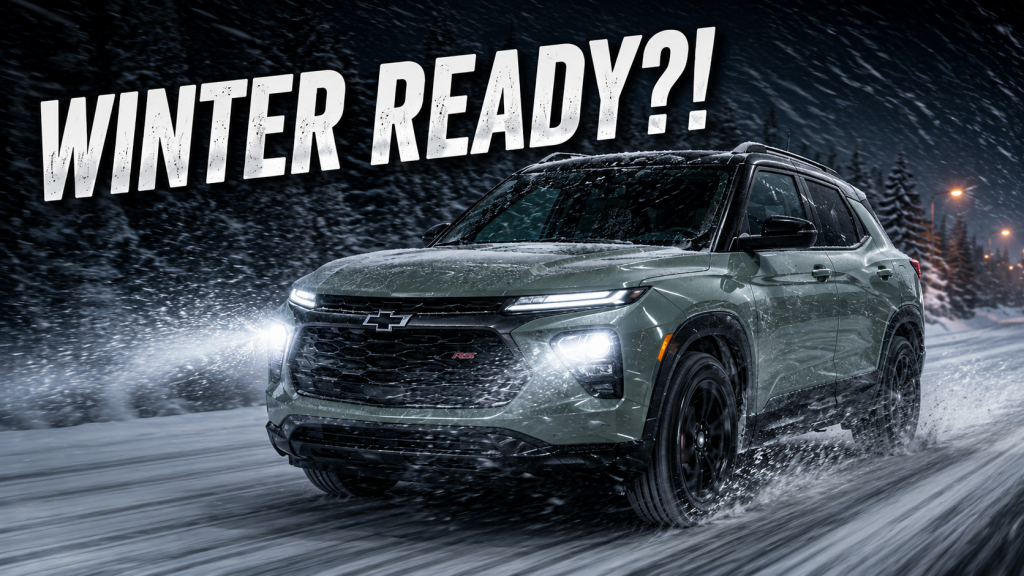
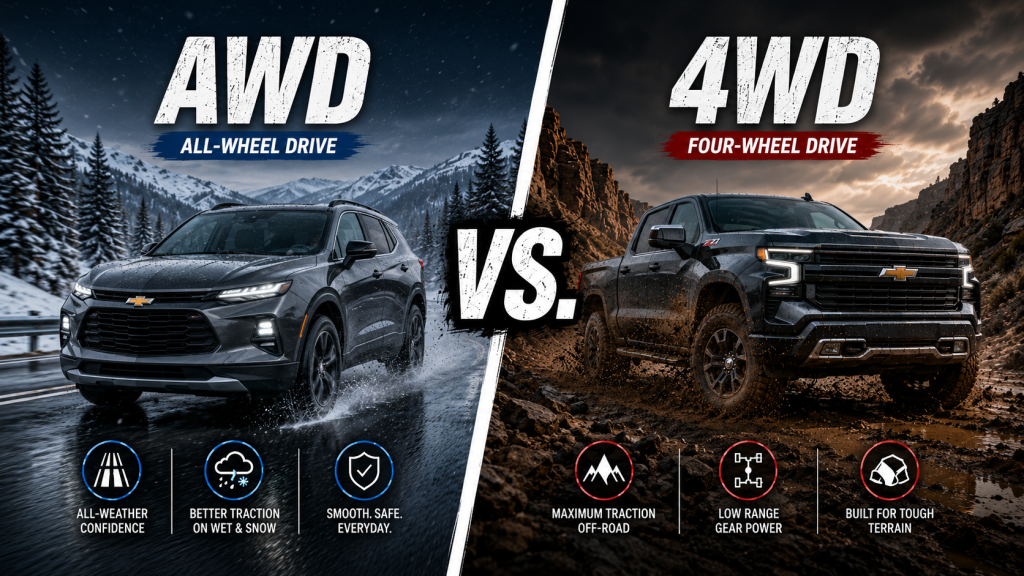
AWD vs. 4WD: What’s Better for Michigan Driving? If you drive in Michigan, chances are you have thought about whether your next vehicle should have all-wheel drive or four-wheel drive. Between snow-covered roads, icy mornings, gravel roads, muddy driveways, camping trips, and changing weather, having power available at all four wheels can be a major advantage. But AWD and 4WD are not exactly the same. Each system is designed with different types of driving in mind, and choosing the right one depends on where you drive, how you use your vehicle, and how much capability you actually need. Here is a simple breakdown of AWD vs. 4WD and what Michigan drivers should consider when shopping for their next car, truck, or SUV. What Is All-Wheel Drive? All-wheel drive, commonly called AWD, is designed to help provide additional traction during normal everyday driving. Depending on the vehicle and system, power can be distributed between the front and rear wheels as driving conditions change. Many modern AWD systems operate automatically. The driver typically does not need to engage the system when the road becomes slippery. Instead, the vehicle can respond to changing traction conditions and direct power where it is needed. This makes AWD particularly convenient for drivers who regularly encounter snow, rain, wet pavement, loose gravel, or changing road conditions. What Is Four-Wheel Drive? Four-wheel drive, commonly called 4WD or 4x4, is generally designed for situations where additional traction and capability are needed. Four-wheel-drive systems are commonly found in pickup trucks and larger SUVs. Depending on the vehicle, drivers may be able to select different drive modes such as two-wheel drive, automatic four-wheel drive, four-wheel-drive high, or four-wheel-drive low. A 4WD system can be especially useful when driving through deeper snow, mud, loose surfaces, rough roads, job sites, trails, or other situations where maximum low-speed traction may be important. AWD vs. 4WD: What’s the Main Difference? The simplest way to think about the difference is that AWD is generally designed for everyday traction and convenience, while 4WD is generally designed for additional capability in more demanding conditions. AWD systems are often automatic and require little input from the driver. Four-wheel-drive systems may give the driver more direct control over how the drivetrain operates. The exact operation of either system varies by vehicle, so shoppers should always review the features and capabilities of the specific model they are considering. Is AWD Good for Michigan Winters? AWD can be a great choice for Michigan drivers who spend most of their time on paved roads but regularly encounter snow and slippery conditions. It can be particularly useful for: Daily commuting Snow-covered highways Slippery intersections Wet pavement Gravel roads Light snow accumulation Changing road conditions Because many AWD systems operate automatically, they can provide additional traction without requiring the driver to constantly decide when the system should be engaged. When Does 4WD Make More Sense? Four-wheel drive may make more sense if you regularly encounter conditions that go beyond ordinary winter commuting. Consider 4WD if you frequently: Drive through deeper snow Travel on poorly maintained seasonal roads Use your vehicle on trails or off-road Drive through mud or loose terrain Work on construction sites or rural property Tow trailers in challenging conditions Use a truck for work, hunting, camping, or recreational activities For many Northern Michigan truck owners, the additional capability and driver control offered by a four-wheel-drive system can make it the more practical choice. Does AWD or 4WD Help You Stop Faster in Snow? This is an important distinction. AWD and 4WD can help a vehicle get moving when traction is limited, but neither system automatically makes the vehicle stop faster. Braking performance still depends heavily on your tires, road conditions, vehicle speed, braking system, and available traction. That is why good tires remain extremely important for winter driving regardless of whether your vehicle has front-wheel drive, rear-wheel drive, AWD, or 4WD. Do You Still Need Good Tires With AWD or 4WD? Absolutely. Your drivetrain can only use the traction available at the tires. Worn tires can significantly reduce traction in snow, rain, and cold-weather conditions even when the vehicle is equipped with AWD or 4WD. Before winter, it is a good idea to check: Tire tread depth Tire pressure Uneven tread wear Cracks or visible damage Overall tire condition Drivers who regularly encounter significant snow and ice may also want to consider whether winter tires make sense for their driving conditions. Which Is Better for Fuel Economy? Fuel economy varies significantly by vehicle, engine, drivetrain, tire choice, weight, and driving conditions. In general, adding drivetrain components that power additional wheels can add weight and mechanical load compared with a two-wheel-drive vehicle. However, modern AWD and 4WD systems are designed in different ways, and the fuel-economy difference may vary substantially between models. If fuel economy is a priority, compare the ratings for the exact drivetrain configurations you are considering rather than assuming every AWD or 4WD vehicle will perform the same way. What About Ground Clearance? AWD or 4WD does not automatically mean a vehicle has more ground clearance. Ground clearance depends on the design of the specific vehicle. This can matter in deeper snow, on two-tracks, around campsites, or when traveling on uneven terrain. A lower AWD crossover may provide excellent traction on snowy paved roads, while a truck or SUV with greater ground clearance and 4WD may be better suited for deeper snow or rough terrain. AWD May Be Better If... AWD may be the better choice if most of your driving involves paved roads and you want additional traction during Michigan's changing weather. It is especially worth considering if you: Commute every day Want a system that operates with minimal driver input Regularly drive in rain or snow Prefer a crossover or SUV Occasionally travel on gravel roads Do not regularly need serious off-road capability 4WD May Be Better If... Four-wheel drive may be the better choice if capability is a major part of how you use your vehicle. Consider 4WD if you: Drive a pickup or larger SUV Regularly encounter deeper snow Use seasonal or unpaved roads Tow or haul regularly Drive off-road Hunt, camp, or travel to remote areas Want more control over drivetrain settings What About Two-Wheel Drive? AWD or 4WD is not necessary for every Michigan driver. A front-wheel-drive vehicle equipped with good tires can still perform well in many winter conditions, particularly on maintained roads. Two-wheel-drive vehicles may also offer advantages in purchase price, fuel economy, weight, and simplicity. The right choice depends on where you live, how frequently you travel in poor weather, and what you expect from your vehicle. Which Should You Choose for Northern Michigan? For many Northern Michigan drivers, both AWD and 4WD can be excellent choices. If your typical drive is between home, work, school, shopping, and paved highways, AWD may provide the additional winter traction you want without requiring much thought from behind the wheel. If your driving regularly includes deep snow, rural property, seasonal roads, trailers, job sites, hunting property, trails, or other demanding conditions, a 4WD truck or SUV may be the better fit. Drivers around Kalkaska, Traverse City, Grayling, Cadillac, Lake City, Mancelona, and the surrounding Northern Michigan area can encounter very different road conditions, so there is no single drivetrain that is best for everyone. Test Drive AWD and 4WD Vehicles at Voice Motor Sales Chevrolet The best way to decide between AWD and 4WD is to consider how you actually use your vehicle and compare the options in person. Voice Motor Sales Chevrolet in Kalkaska can help you compare new Chevrolet cars, trucks, and SUVs based on your driving habits, passenger needs, towing requirements, and the conditions you regularly encounter. Start by browsing our current new Chevrolet inventory, explore our pre-owned inventory, or contact Voice Motor Sales Chevrolet if you have questions about which drivetrain may be right for you. Frequently Asked Questions Is AWD or 4WD better in snow? Both can provide additional traction in snow. AWD is often well suited for everyday winter driving on paved roads, while 4WD may offer additional capability in deeper snow, rough roads, mud, and more demanding terrain. Does AWD automatically turn on when roads are slippery? Many modern AWD systems can automatically adjust how power is distributed as traction conditions change. The exact operation depends on the specific vehicle and drivetrain system. Does 4WD help you stop faster on ice? No. Four-wheel drive can help a vehicle gain traction while accelerating, but braking still depends on tire traction, vehicle speed, road conditions, and the braking system. Do I need winter tires if I have AWD? AWD does not replace good tires. Drivers who regularly encounter significant snow, ice, or very cold conditions may benefit from winter tires regardless of drivetrain. Is AWD worth it in Michigan? AWD can be especially useful for Michigan drivers who regularly encounter snow, rain, slippery roads, and changing winter conditions while primarily driving on maintained roads. Where can I shop for AWD or 4WD vehicles near Kalkaska, Michigan? Voice Motor Sales Chevrolet in Kalkaska offers new Chevrolet and pre-owned vehicle options for drivers throughout Northern Michigan. Current availability can be viewed through the dealership's online inventory. AWD vs. 4WD: What's Better for Michigan Driving? | Voice Motor Sales

7 Things to Consider Before Buying a New Car, Truck, or SUV

7 Things to Consider Before Buying a New Car, Truck, or SUV Shopping for a new vehicle should be exciting, but with so many models, features, powertrains, and options available, it can also feel like a lot to consider. The best new vehicle is not necessarily the one with the longest feature list or the biggest engine. It is the one that fits your daily driving, your passengers, your budget, and what you expect to need in the years ahead. Before you start comparing vehicles, here are seven things worth considering to help narrow down your choices. 1. Think About How You Actually Use Your Vehicle Start with your normal routine. How many people do you usually carry? How far is your commute? Do you regularly haul cargo, tow a trailer, travel long distances, or drive on rough roads? Your answers can help determine whether a car, SUV, crossover, or pickup makes the most sense. A compact vehicle may be ideal for commuting and everyday errands, while a larger SUV may make more sense for a growing family. Drivers who regularly tow, haul, or use their vehicle for work may benefit from the capability of a pickup truck. Thinking about how you will use the vehicle most of the time can keep you from paying for capability you do not need—or wishing later that you had chosen something more capable. 2. Consider Passenger and Cargo Space A vehicle can look spacious from the outside but feel very different once everyone is seated and the cargo area is loaded. Consider how often you carry passengers and what you regularly bring along. Families may want to think about car seats, sports equipment, groceries, luggage, pets, and other everyday cargo. If you are considering an SUV, look at both passenger space and usable cargo room. If you are shopping for a truck, think about cab configuration, bed length, storage, and how often the rear seats will be used. A test drive is also a good opportunity to sit in every seating position and make sure the vehicle works for more than just the driver. 3. Decide How Much Capability You Really Need If towing or hauling is part of your lifestyle, make capability one of your first considerations instead of an afterthought. Think about what you plan to tow or carry, how frequently you will do it, and whether your needs may change in the future. Towing and payload capacity can vary significantly depending on engine, drivetrain, cab configuration, equipment, and optional packages. If capability is important to you, confirm the specifications of the exact vehicle you are considering. Choosing the right configuration from the beginning can make a big difference in how useful the vehicle is over time. 4. Compare the Features You Will Actually Use Today's new vehicles can offer a wide range of comfort, convenience, connectivity, and driver-assistance features. Depending on the vehicle and trim, shoppers may find features such as: Apple CarPlay and Android Auto Large touchscreen displays Wireless phone charging Remote start Heated and ventilated seats Heated steering wheel Adaptive cruise control Parking cameras and assistance features Blind-zone monitoring Automatic emergency braking Power liftgates Trailering technology Instead of automatically choosing the highest trim level, make a short list of the features that matter most to you. You may find that a mid-level trim provides everything you want without adding equipment you are unlikely to use. 5. Look Beyond the Monthly Payment Monthly payment is important, but it should not be the only number you consider when comparing new vehicles. Look at the overall purchase price, available financing or lease terms, estimated fuel costs, insurance, maintenance, and how long you plan to keep the vehicle. If you have a trade-in, its value and any remaining loan balance can also affect your purchase. Taking a broader look at the transaction can help you compare different vehicles more accurately and choose an option that fits your overall budget. 6. Find Out What Your Current Vehicle Is Worth If you plan to trade your current vehicle, knowing its approximate value before you shop can make planning easier. Mileage, condition, equipment, vehicle history, market demand, and other factors can all influence trade value. You can begin the process online using the Voice Motor Sales Trade Appraisal Tool. If you still owe money on your current vehicle, that does not necessarily prevent you from trading it. The payoff amount can be reviewed along with the vehicle's appraised value when discussing your options. 7. Always Take a Test Drive Specifications and photos can help narrow down your choices, but a test drive can tell you things that are difficult to learn online. During the drive, pay attention to: Seat comfort Visibility Ride quality Acceleration Braking feel Steering Cabin noise Control placement Infotainment system usability Ease of getting in and out If you are comparing two different models or trims, driving them back-to-back can make the differences much easier to recognize. New Vehicle vs. Used Vehicle: Which Is Right for You? Buying new offers several advantages. You are the vehicle's first owner, you know its history from day one, and you can choose from current designs, technology, safety features, colors, trims, and available equipment. New vehicles may also have manufacturer financing, lease, or incentive programs available from time to time. Availability and eligibility can vary, so it is important to review the details of any current offer. A pre-owned vehicle can still be the better choice for some shoppers, particularly when purchase price is the main priority. The right answer depends on your individual needs and budget. Should You Finance or Lease a New Vehicle? Financing and leasing can both make sense depending on how you plan to use your vehicle. Financing may appeal to drivers who want to own the vehicle, drive it for many years, customize it, or avoid mileage limitations. Leasing may appeal to drivers who prefer changing vehicles more frequently and like driving a newer vehicle on a regular cycle. Lease mileage limits, wear requirements, terms, and other conditions should be considered before deciding. You can begin exploring financing options through our online pre-approval form. Financing and lease availability, rates, terms, and approval are subject to applicable lender requirements and credit approval. Do Not Forget About the Vehicle You May Need Three Years From Now One of the easiest mistakes when buying a vehicle is choosing only for today's needs. Think a few years ahead. Could your family grow? Are you planning to buy a camper or trailer? Could your commute change? Do you expect to need more cargo room? Will a teenager eventually be driving the vehicle? You cannot predict everything, but thinking ahead can help you choose a vehicle that continues to work for you long after the excitement of buying it has worn off. Shop New Vehicles at Voice Motor Sales Chevrolet If you are starting your search for a new car, truck, or SUV, the team at Voice Motor Sales Chevrolet in Kalkaska can help you compare vehicles, trims, features, and available options. Start by browsing our current new Chevrolet inventory, use our trade appraisal tool to learn more about your current vehicle, or contact Voice Motor Sales Chevrolet with questions. Once you find a vehicle that interests you, schedule a test drive and see how it fits your needs in person. Frequently Asked Questions What should I consider before buying a new vehicle? Consider how you will use the vehicle, passenger and cargo needs, towing or hauling requirements, features, overall budget, trade-in value, and how long you expect to keep the vehicle. Should I test drive a new vehicle before buying it? Yes. A test drive gives you an opportunity to evaluate comfort, visibility, ride quality, acceleration, braking, controls, technology, and overall driving feel before making a decision. Should I find out my trade value before shopping for a new vehicle? Knowing your vehicle's approximate trade value can make it easier to understand your options and plan your overall vehicle purchase. Is it better to finance or lease a new vehicle? It depends on your driving habits, budget, ownership goals, expected mileage, and how frequently you prefer to replace your vehicle. Financing and leasing each have different advantages and conditions. Where can I shop for a new Chevrolet near Kalkaska, Michigan? Drivers can browse current new Chevrolet inventory at Voice Motor Sales Chevrolet in Kalkaska, Michigan, and contact the dealership to confirm current vehicle availability, options, and pricing. 7 Things to Consider Before Buying a New Vehicle | Voice Motor Sales

What to Do After a Car Accident: A Step-by-Step Guide

What to Do After a Car Accident: A Step-by-Step Guide Even a minor car accident can be stressful. In the moments immediately afterward, it can be difficult to remember what information you need, who you should contact, and what steps should come next. Having a simple plan can help. Whether you are involved in a minor fender bender or a more serious collision, these steps can help you protect yourself, document what happened, and make the repair process easier. 1. Make Sure Everyone Is Safe Your first priority after an accident should be safety. Check yourself and your passengers for injuries and, if it is safe to do so, check on the occupants of the other vehicle. Call 911 if anyone is injured, if there is significant vehicle damage, if the accident is blocking traffic, or if emergency assistance is needed. If the vehicles can be moved safely and local conditions allow, move them out of active traffic. Turn on your hazard lights and remain aware of surrounding traffic while you wait for assistance. 2. Contact Law Enforcement When Appropriate Depending on the circumstances of the collision, law enforcement may need to respond and prepare an accident report. A police report can provide useful documentation of the accident, including the vehicles involved, location, driver information, witness information, and circumstances observed at the scene. Requirements for reporting an accident can vary, so follow the instructions of local law enforcement and your insurance provider. 3. Exchange Information With the Other Driver If another vehicle is involved, exchange basic contact and insurance information. Helpful information to collect includes: Driver's name Phone number Insurance company Insurance policy information Vehicle make and model License plate number Driver's license information when appropriate Try to keep the conversation focused on exchanging information and making sure everyone is safe. Avoid arguing about who caused the accident at the scene. 4. Take Photos and Document the Scene If it is safe to do so, take photos or video before the vehicles are moved. Good documentation can be helpful when working with your insurance company and collision repair facility. Consider photographing: Damage to all vehicles involved The overall accident scene Vehicle positions License plates Road signs and traffic signals Skid marks or debris Road and weather conditions Any other property damage It is also helpful to write down the approximate time, location, direction of travel, and anything else you remember while the details are still fresh. 5. Gather Witness Information If someone witnessed the accident, ask whether they are willing to provide their name and contact information. An independent witness may be helpful if questions later arise about how the accident occurred. 6. Contact Your Insurance Company Notify your insurance company of the accident as soon as reasonably possible. Your insurer can explain the claims process, your coverage, your deductible, rental vehicle coverage, and other steps that may apply to your policy. Be prepared to provide the information and photographs you collected at the scene. Your insurance company may also provide an initial repair estimate. Keep in mind that additional damage is sometimes discovered after a vehicle is disassembled at the collision repair facility. 7. Decide Whether the Vehicle Is Safe to Drive Collision damage is not always obvious. A vehicle may have damage to its suspension, steering, cooling system, wheels, tires, lighting, safety sensors, or structural components even when the exterior damage looks relatively minor. Do not continue driving if the vehicle has fluid leaks, damaged tires or wheels, steering problems, warning lights, overheating, loose body panels, broken lighting, or anything else that makes you question whether it is safe. When in doubt, arrange for the vehicle to be towed to a qualified repair facility. 8. Choose a Collision Repair Facility Your insurance company may provide information about repair facilities that participate in its repair network. You can also research collision repair facilities yourself and ask questions before authorizing repairs. When choosing a body shop or collision center, consider asking: What types of collision repairs does the facility perform? Will the vehicle be inspected for hidden damage? How are additional repairs communicated? What types of replacement parts may be used? Does the repair require vehicle scanning or ADAS calibration? What warranty is provided on the repair? How will you receive updates during the repair process? Modern vehicles can contain cameras, radar sensors, electronic modules, advanced driver-assistance systems, and structural components that may require specialized repair procedures. 9. Understand the Initial Estimate May Change An insurance estimate or preliminary body shop estimate is often based on damage that can be seen before the vehicle is taken apart. Once damaged panels and components are removed, technicians may find additional damage that could not be seen during the original inspection. When additional collision-related repairs are identified, the repair facility may prepare a supplemental estimate and work with the insurance company to document the additional damage. 10. Ask About Parts Used in the Repair Depending on the vehicle, repair, insurance policy, and parts availability, collision repairs may involve different types of replacement parts. These may include: Original equipment manufacturer (OEM) parts Aftermarket replacement parts Recycled original equipment parts Remanufactured components Ask the repair facility or insurance company which parts are included in the repair estimate if you have questions or preferences. 11. Ask Whether Calibration Is Required Many newer vehicles are equipped with advanced driver-assistance systems such as forward collision alert, automatic emergency braking, lane-keeping technology, adaptive cruise control, blind-zone monitoring, and parking assistance. Cameras, radar sensors, steering components, suspension components, bumpers, windshields, and other parts involved in a collision may affect these systems. Depending on the repair, manufacturer procedures may call for scanning, programming, aiming, or calibration before the vehicle is returned to the customer. 12. Inspect the Vehicle When Repairs Are Complete When you pick up your vehicle, take a few minutes to review the completed repair. Look at the repaired area, paint finish, panel alignment, lights, warning indicators, and any features affected by the collision. Ask the repair facility to explain the work that was completed and any warranties that apply. If calibration, programming, or other specialized procedures were required, you can also ask whether those procedures were completed. Keep Important Accident Information Together During the claims and repair process, you may receive paperwork from law enforcement, your insurance company, a towing company, rental car provider, collision center, and other parties. Keeping photographs, estimates, claim numbers, receipts, repair documents, and contact information together can make it easier to keep track of the process. Collision Repair Help at Voice Motor Sales Chevrolet If your vehicle has been involved in an accident, Voice Motor Sales Chevrolet in Kalkaska can help you determine the next step in the repair process. Whether the damage appears minor or more extensive, having the vehicle professionally inspected can help identify visible and hidden collision damage before repairs begin. Have questions about your vehicle after an accident? Contact Voice Motor Sales Chevrolet or visit our Service Department for additional information. Frequently Asked Questions What should I do immediately after a car accident? Start by checking for injuries and making sure everyone is safe. Contact emergency services when necessary, exchange information with other drivers, document the scene, and notify your insurance company. Should I take pictures after an accident? Yes. If it is safe to do so, photograph the vehicles, damage, license plates, road conditions, traffic controls, and the overall accident scene. These photographs may be useful during the claims and repair process. Can an accident cause damage that I cannot see? Yes. Collision damage may exist behind bumpers or body panels and can involve structural components, suspension, steering, cooling systems, wiring, sensors, cameras, and other components. Why can a collision repair estimate change? An initial estimate may only include visible damage. Additional collision-related damage can sometimes be discovered after damaged panels or components are removed during the repair process. Can modern safety systems require calibration after an accident? Yes. Depending on the vehicle and repair, cameras, radar sensors, steering systems, suspension components, and other driver-assistance equipment may require scanning, programming, aiming, or calibration according to manufacturer repair procedures. What to Do After a Car Accident | Voice Motor Sales Collision Repair ```

OEM vs. Aftermarket Auto Parts: What's the Difference?

OEM vs. Aftermarket Auto Parts: What's the Difference? Whether you are repairing your own vehicle or having work completed by a professional, eventually you may need to choose a replacement part. One of the first decisions is often whether to use an OEM part or an aftermarket alternative. Both categories can have a place in vehicle repair, but they are not the same. Understanding the differences can make it easier to choose the right part for your vehicle, your repair, and your budget. What Does OEM Mean? OEM stands for Original Equipment Manufacturer. An OEM replacement part is designed to meet specifications established for the vehicle manufacturer. For Chevrolet owners, GM Genuine Parts and certain ACDelco products provide replacement-part options designed for GM vehicles and applications. What Is an Aftermarket Part? An aftermarket part is manufactured by a company other than the vehicle's original manufacturer or its designated original-equipment supplier. The aftermarket is enormous, so quality, design, fit, price, features, and warranty coverage can vary significantly from one manufacturer and product line to another. 1. Fit and Compatibility One advantage of choosing a part intended specifically for your vehicle is compatibility. Modern vehicles contain increasingly complex mechanical and electronic systems, and even seemingly simple parts can vary by engine, trim, drivetrain, production date, or option package. Using the vehicle identification number, or VIN, can help a parts professional determine which component is appropriate for a particular vehicle. 2. Quality and Specifications OEM and manufacturer-supported replacement parts are designed around the specifications of the vehicle application. Aftermarket parts range from economical replacements to premium or specialized products. Some may be designed differently from the original component, which can be useful in certain situations but also makes selecting a reputable brand and correct application important. 3. Price Price is one reason drivers consider aftermarket parts. Depending on the component and manufacturer, aftermarket alternatives may cost less than an original-equipment option. However, purchase price should not always be the only consideration. Fit, durability, warranty coverage, installation time, and whether a part needs to be replaced again can all affect the total cost of a repair. 4. Warranty Considerations Warranty coverage varies by part, manufacturer, and repair. Before purchasing a replacement component, ask what warranty applies to the part and whether any requirements apply to installation or coverage. If your vehicle is still covered by a factory, extended, or parts warranty, it is also worth confirming whether the repair has any specific parts requirements. 5. Electronics and Vehicle Technology Today's vehicles use cameras, sensors, control modules, driver-assistance systems, and networked electronics throughout the vehicle. When replacing components associated with these systems, correct specifications and compatibility become particularly important. The right part may also need programming, calibration, or installation procedures specific to the vehicle. When Does Choosing an OEM Part Make Sense? An OEM or manufacturer-supported part can be a strong choice when maintaining original specifications and vehicle compatibility are priorities. They may be particularly appealing for newer vehicles, warranty-related repairs, electronic components, sensors, body components, and repairs where exact fitment is important. When Might an Aftermarket Part Make Sense? Aftermarket parts can make sense in many situations as well. Owners of older vehicles may want a more economical replacement, while enthusiasts may look for specialized aftermarket components that change appearance or performance. The key is choosing the correct component from a reputable manufacturer rather than assuming every aftermarket part is identical. How Do I Know Which Part Fits My Vehicle? Year, make, and model are a good starting point, but sometimes they are not enough. Vehicles within the same model year can use different components depending on engine, transmission, drivetrain, trim, production date, and optional equipment. Providing your VIN is one of the easiest ways to help a parts professional identify the correct application. Order Chevrolet Parts from Voice Motor Sales If you need a replacement part for your Chevrolet, the Parts Department at Voice Motor Sales Chevrolet can help identify the proper component for your vehicle. Whether you need brake components, filters, wiper blades, maintenance items, or another replacement part, start by ordering parts online from Voice Motor Sales Chevrolet. If you would rather have the part installed for you, visit our Service Department or schedule a service appointment online. Frequently Asked Questions What does OEM stand for? OEM stands for Original Equipment Manufacturer and generally refers to parts designed to meet the original manufacturer's specifications for a particular vehicle application. Are aftermarket parts always lower quality? No. Aftermarket quality varies considerably. There are economy, standard, premium, and specialized aftermarket products from many different manufacturers. Why is my VIN helpful when ordering parts? A VIN helps identify the exact vehicle configuration and can make it easier to select the correct component when multiple parts were used within the same model or model year. Where can I order Chevrolet parts near Kalkaska, MI? You can order Chevrolet parts through the Parts Department at Voice Motor Sales Chevrolet in Kalkaska using the dealership's online parts request form. OEM vs. Aftermarket Auto Parts | Voice Motor Sales Chevrolet

Fall Vehicle Maintenance Checklist: Get Ready Before Colder Weather Arrives

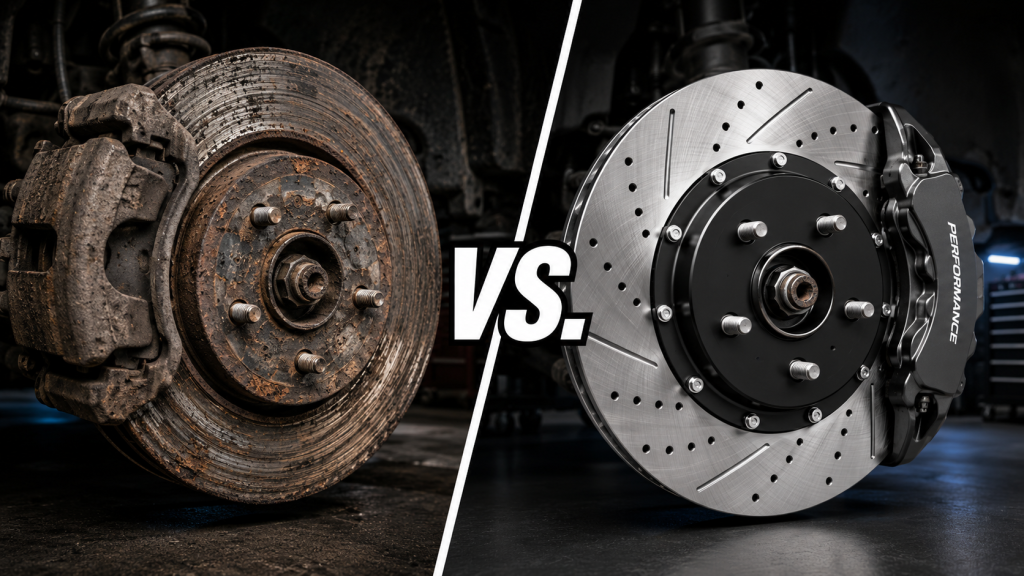
Fall Vehicle Maintenance Checklist: Get Ready Before Colder Weather Arrives As the seasons change, your vehicle has to adjust too. Cooler mornings, wet roads, falling leaves, shorter days, and eventually freezing temperatures can all put extra stress on your car, truck, or SUV. Taking care of a few basic maintenance items in the fall can help you avoid bigger problems later. Before colder weather arrives, use this simple fall vehicle maintenance checklist to help prepare your vehicle for the road ahead. 1. Check Your Battery Cooler weather can expose a weak battery quickly. If your vehicle has been slow to start, the battery terminals look corroded, or the battery is several years old, fall is a good time to have it tested. A battery that works fine in warm weather may struggle once temperatures drop. Testing it before cold mornings arrive can help reduce the chance of being stuck with a vehicle that will not start. 2. Inspect Your Tires Your tires are especially important as roads become wet, cold, or slick. Check your tire tread depth, look for uneven wear, and make sure your tires are properly inflated. Tire pressure can drop as temperatures fall, so even if your tires looked fine during the summer, they may need attention in the fall. Proper tire pressure can help with handling, traction, ride quality, and fuel efficiency. Also take a quick look for cracks, bulges, punctures, or other visible damage. If your tires are worn or uneven, it may be time for a tire rotation, alignment check, or replacement. 3. Replace Worn Wiper Blades Good visibility is critical in the fall. Rain, road spray, frost, falling leaves, and early morning moisture can make it harder to see clearly. If your wiper blades streak, skip, chatter, squeak, or leave cloudy spots on the windshield, it is time to replace them. Wiper blades are a small maintenance item, but they can make a big difference when the weather turns. It is also a good idea to top off your windshield washer fluid with a seasonally appropriate formula before temperatures drop. 4. Check Your Brakes Before Slick Roads Arrive Your brakes should feel smooth, steady, and responsive. If you hear squeaking or grinding, feel vibration when braking, notice the vehicle pulling to one side, or feel a soft brake pedal, schedule an inspection. Fall is a smart time to catch brake issues before winter driving conditions arrive. Wet leaves, rain, frost, and icy roads can all increase stopping distance, so your braking system needs to be ready. 5. Top Off Fluids Fluids help protect your vehicle and keep major systems working properly. Before colder weather sets in, check or have a technician check: Engine oil Coolant Brake fluid Transmission fluid, if applicable Power steering fluid, if applicable Windshield washer fluid Coolant is especially important before winter because it helps regulate engine temperature and protect against freezing. If you are not sure when your fluids were last checked or changed, a fall inspection is a good place to start. 6. Test Your Lights As the days get shorter, you will likely rely on your lights more often. Walk around your vehicle and check: Headlights Brake lights Turn signals Hazard lights Reverse lights License plate lights Dim, cloudy, or burned-out lights can make it harder for you to see and harder for other drivers to see you. Replacing bulbs or cleaning cloudy lenses can help improve visibility during early mornings, evenings, rain, and fog. 7. Look Over Belts and Hoses Cold weather can be hard on rubber parts. Worn belts or hoses may crack, loosen, leak, or fail when temperatures drop. During a fall maintenance check, have belts and hoses inspected for cracking, fraying, soft spots, leaks, or other signs of wear. Catching these issues early can help prevent inconvenient breakdowns. 8. Check Heating and Defrost Before you really need it, make sure your heater and defroster are working properly. A good defroster helps clear fog, frost, and moisture from your windshield and windows. If your heat is weak, your windows do not clear well, or you notice unusual smells when the system is running, it may be time to have the system inspected. 9. Schedule Service Before the Winter Rush The first major cold snap tends to remind everyone about batteries, tires, brakes, and heating systems at the same time. Scheduling fall maintenance early can help you beat the winter service rush and give you more confidence before colder weather arrives. Whether your vehicle needs an oil change, tire inspection, brake check, battery test, wiper blades, or a full seasonal inspection, taking care of it now can help you head into the next season better prepared. Get Fall-Ready at Voice Motor Sales Chevrolet Voice Motor Sales Chevrolet in Kalkaska is here to help you prepare your vehicle for fall and colder weather. Our service team can inspect your battery, tires, brakes, fluids, wipers, lights, belts, hoses, and more. Before the weather changes, schedule your next service visit with Voice Motor Sales Chevrolet and make sure your vehicle is ready for the road ahead. Schedule service today: Schedule Service at Voice Motor Sales Chevrolet Fall Vehicle Maintenance Checklist | Voice Motor Sales Chevrolet Service

2026 Chevrolet SUV Comparison: Trax vs. Trailblazer vs. Equinox vs. Traverse

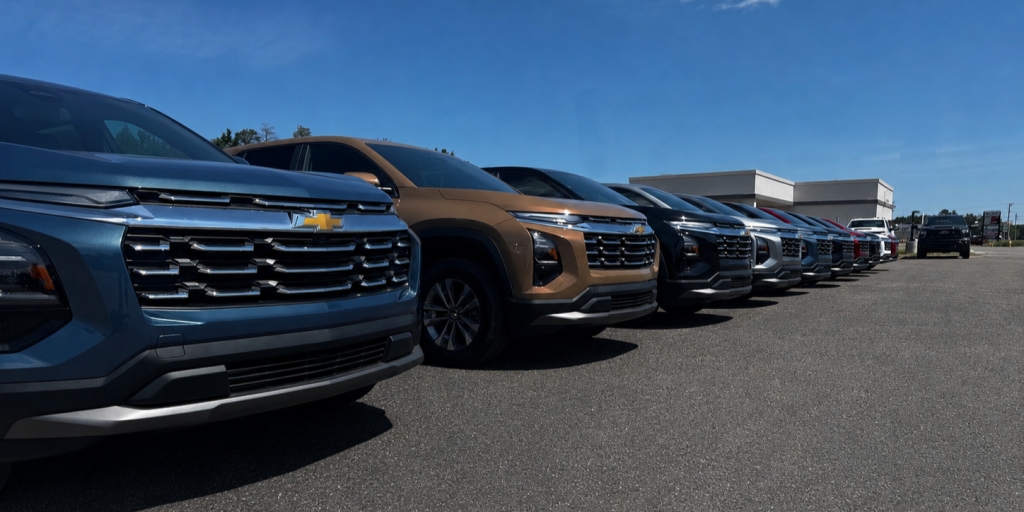
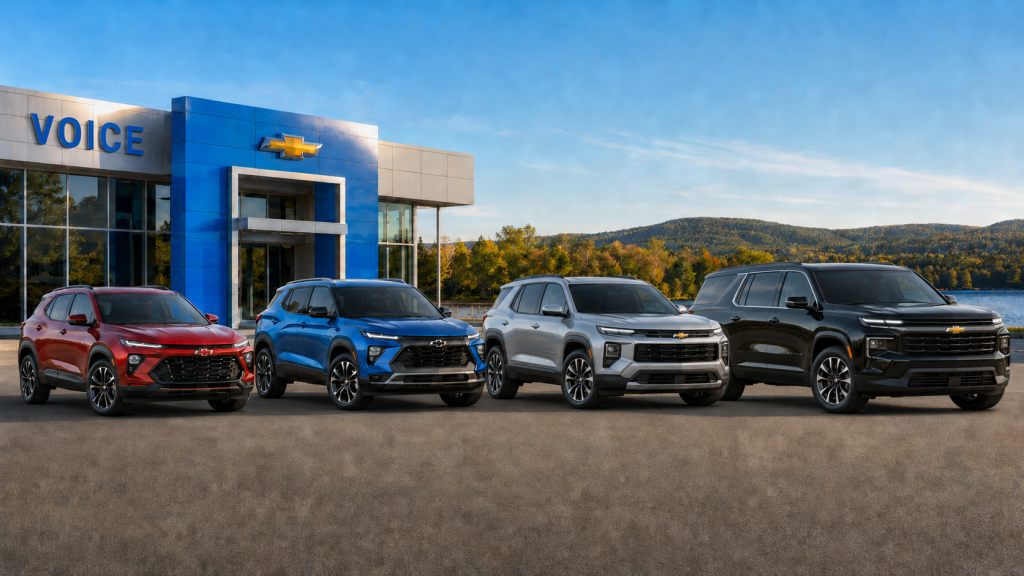
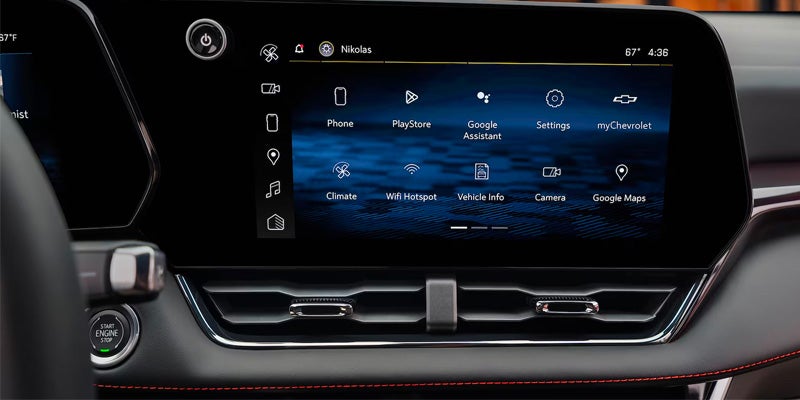
2026 Chevrolet SUV Comparison: Trax vs. Trailblazer vs. Equinox vs. Traverse Choosing a new Chevrolet SUV is easier when you know how each model fits your daily life. The 2026 Chevrolet Trax, Trailblazer, Equinox and Traverse cover a wide range of needs—from affordable commuting to three-row family travel and towing. For drivers in Kalkaska and throughout Northern Michigan, the right choice often comes down to passenger space, available all-wheel drive, cargo capacity and how much capability you actually need. Here is a practical comparison to help you narrow down your options. 2026 Chevrolet Trax: Affordable, Efficient and Easy to Drive The 2026 Chevrolet Trax is a smart starting point for shoppers who want the style and versatility of an SUV without paying for extra size or capability they may not use. The Trax seats five and offers up to 54 cubic feet of cargo space with the rear seats folded. Its turbocharged 1.2-liter engine produces 137 horsepower, while an EPA-estimated 30 mpg combined helps make it an economical choice for commuting and everyday driving. The Trax is offered with front-wheel drive only and is not rated for towing. That makes it best suited to drivers who prioritize affordability, fuel economy, maneuverability and useful interior room over all-wheel-drive capability. The Trax may be right for you if: You want the most affordable SUV in this comparison. Most of your driving involves commuting, errands or paved roads. You want good fuel economy and easy maneuverability. You need room for five but do not need to tow. 2026 Chevrolet Trailblazer: Compact Size with Available AWD The 2026 Chevrolet Trailblazer is a natural step up for shoppers who like the size of a compact SUV but want available all-wheel drive and additional capability. The Trailblazer seats five and offers an available 1.3-liter turbocharged engine producing 155 horsepower and 174 lb.-ft. of torque. When equipped with that engine and front-wheel drive, it offers an EPA-estimated 31 mpg combined. Available AWD makes the Trailblazer especially appealing for Northern Michigan drivers who regularly encounter snow-covered or unpaved roads. One of its most useful features is the standard fold-flat front passenger seat, which allows items up to 8.5 feet long to fit inside. Properly equipped models can tow up to 1,000 pounds. The ACTIV trim adds off-road-inspired suspension tuning and a functional skid plate, while the RS emphasizes a sportier appearance. The Trailblazer may be right for you if: You want a small SUV with available AWD. You regularly carry long or awkward cargo. You want an efficient vehicle that is easy to park. You prefer the rugged ACTIV or sporty RS appearance. 2026 Chevrolet Equinox: A Well-Rounded Family SUV The 2026 Chevrolet Equinox offers more passenger and cargo room while remaining manageable for everyday driving. For many households, it represents the middle ground of the Chevrolet SUV lineup. The Equinox seats five and provides up to 63.5 cubic feet of cargo volume. Its 1.5-liter turbocharged engine delivers 175 horsepower, and available all-wheel drive adds confidence when road conditions deteriorate. When properly equipped, the Equinox can tow up to 1,500 pounds. Inside, the Equinox features an 11.3-inch diagonal infotainment touchscreen. Shoppers can choose from LT, RS and ACTIV models. The LT focuses on everyday value, the RS adds sport-inspired design and the ACTIV provides a more adventurous appearance with all-terrain tires and uniquely tuned suspension. The Equinox may be right for you if: You want more room than the Trax or Trailblazer. You need a practical SUV for a family of up to five. You want available AWD and moderate towing capability. You value a comfortable balance of efficiency, technology and cargo space. 2026 Chevrolet Traverse: Three-Row Space and Serious Capability The 2026 Chevrolet Traverse is the choice for families who need a true three-row SUV. It offers available seating for up to eight and as much as 98 cubic feet of maximum cargo volume, giving it substantially more room than the other models in this comparison. The Traverse is powered by a turbocharged 2.5-liter engine producing 328 horsepower and 326 lb.-ft. of torque. When properly equipped, it can tow up to 5,000 pounds. That capability makes it a much better match for larger trailers, boats and recreational equipment. The Traverse also offers a standard 17.7-inch diagonal infotainment touchscreen. The Z71 model adds off-road-focused features such as an advanced twin-clutch AWD system, Terrain Mode, Hill Descent Control, a specialized suspension and protective skid plates. The Traverse may be right for you if: You need seating for seven or eight passengers. You regularly carry a large amount of cargo. You need up to 5,000 pounds of towing capacity. You want an available SUV designed for family travel or off-pavement adventures. Quick Chevrolet SUV Comparison Comparison of four popular 2026 Chevrolet SUVs Model Seats Maximum cargo volume AWD availability Maximum towing Best suited for Trax 5 54 cu. ft. No Not rated Value, commuting and everyday driving Trailblazer 5 54.4 cu. ft. Available 1,000 lbs. Compact versatility and available AWD Equinox 5 63.5 cu. ft. Available 1,500 lbs. Families wanting a balanced two-row SUV Traverse Up to 8 98 cu. ft. Available 5,000 lbs. Three-row seating, cargo and towing Which Chevrolet SUV Is Best for Northern Michigan? For drivers who expect frequent winter travel, available AWD may make the Trailblazer, Equinox or Traverse a better match than the front-wheel-drive-only Trax. The ideal model still depends on how much room and capability you need. Choose the Trax for value, efficiency and easy everyday driving. Choose the Trailblazer for compact dimensions with available AWD. Choose the Equinox for a well-rounded combination of passenger room, cargo space and capability. Choose the Traverse for three-row seating, maximum cargo room and greater towing capacity. Remember that AWD can help a vehicle accelerate in slippery conditions, but it does not replace a quality set of winter tires when it comes to braking and cornering on snow and ice. Compare New Chevrolet SUVs at Voice Motor Sales Specifications can help narrow your choices, but sitting in and driving the vehicles is the best way to determine which SUV feels right. At Voice Motor Sales Chevrolet in Kalkaska, our sales team can help you compare passenger space, cargo room, trim levels, features and payment options without making the process complicated. Browse our new Chevrolet inventory or schedule a test drive to compare your favorite models. Visit Voice Motor Sales Chevrolet at 302 W. Mile Road NW in Kalkaska, Michigan, or call us at 231-258-9178. Vehicle specifications, features, towing ratings and availability may vary by trim, equipment and model year. Always confirm current information with Voice Motor Sales Chevrolet before purchasing.

2027 Chevy Silverado 1500 Preview: Confirmed Trims, Engines, Redesign, and New Features

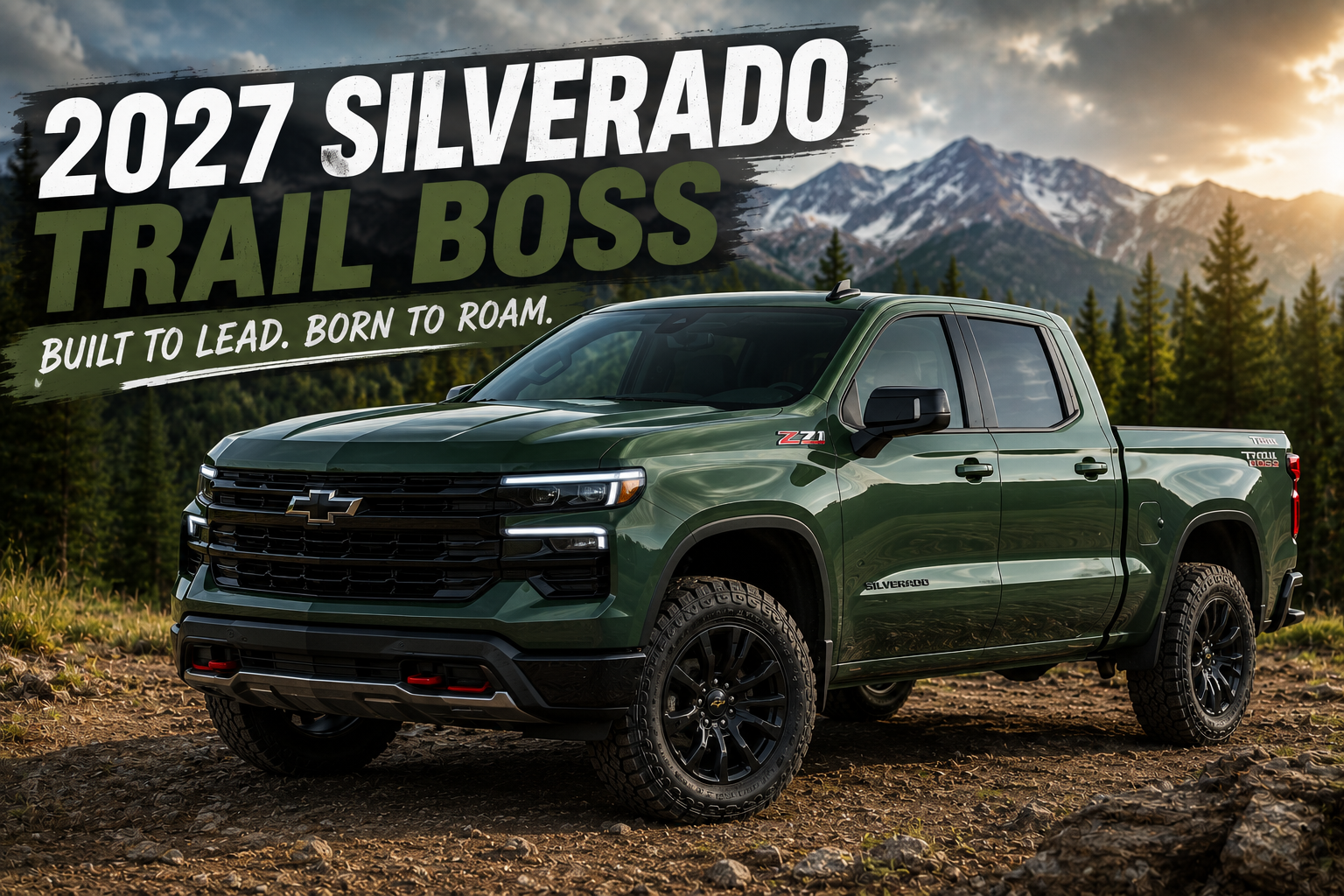
2027 Chevy Silverado 1500 Preview: Confirmed Trims, Engines, Redesign, and New Features The next-generation 2027 Chevrolet Silverado 1500 is on the way, and Chevrolet has already confirmed several major updates. For truck shoppers, this is shaping up to be one of the most important Silverado updates in years, with a completely redesigned exterior, a more modern interior, new technology, expanded safety features, and a revised engine lineup. While Chevrolet has not released every detail yet, including final pricing, full towing numbers, payload figures, and complete trim-by-trim equipment, there is already plenty of confirmed information to know. If you are shopping for a truck now or planning ahead for the next-generation Silverado, browse current Chevrolet Silverado 1500 inventory at Voice Motor Sales Chevrolet or contact our team for availability updates. Is the 2027 Silverado redesigned? Yes. Chevrolet has confirmed that the 2027 Silverado 1500 is completely redesigned inside and out. The next-generation Silverado features a bolder exterior, a stronger front-end design, new lighting signatures, updated trim-specific styling, and a more modern cabin. On the outside, the 2027 Silverado gets a stronger stance, new LED lighting, revised grille designs, and more visual separation between trims. Chevrolet has also confirmed standard dual exhaust on Custom and above, giving more Silverado models a stronger truck appearance. Inside, the Silverado receives a major technology upgrade. Every 2027 Silverado 1500 will feature a standard 16.3-inch center display and a 12.2-inch Driver Information Center, giving the cabin a much more digital and connected layout. Confirmed 2027 Silverado trims Chevrolet has confirmed a new seven-trim lineup for the 2027 Silverado 1500: WT Custom Custom Trail Boss Silverado Trail Boss High Country ZR2 One notable change is that Silverado becomes a trim name for 2027, replacing the previous LT position in the lineup. This gives shoppers a new structure, ranging from work-focused trucks to premium and off-road-ready models. The 2027 lineup also puts more emphasis on off-road capability, with three lifted trims: Custom Trail Boss, Trail Boss, and ZR2. Confirmed 2027 Silverado engines Chevrolet has confirmed that the 2027 Silverado 1500 will continue to offer four powertrain options: Enhanced 2.7L TurboMax Duramax 3.0L Turbo-Diesel Next-generation 5.7L V8 Next-generation 6.6L V8 The upgraded TurboMax engine will now be paired with a 10-speed transmission. The Duramax 3.0L Turbo-Diesel also remains part of the lineup, giving shoppers a diesel option for long-distance driving, towing, and efficiency-focused truck use. The biggest engine news is the arrival of two new V8 choices: a 5.7L V8 and a 6.6L V8. Chevrolet says these next-generation V8 engines are designed for improved power and torque, serious work, and confident towing. Final horsepower, torque, towing, payload, and fuel economy numbers have not yet been released. Standard technology features The 2027 Silverado makes a major leap in interior technology. Standard technology confirmed by Chevrolet includes: 16.3-inch center touchscreen 12.2-inch Driver Information Center Modern digital cockpit design Enhanced connectivity features Expanded driver-assistance technology Because the large digital displays are standard across the lineup, even value-focused and work-focused Silverado models should feel much more modern than before. Available technology and comfort features In addition to the standard digital displays, Chevrolet has confirmed several available or trim-dependent technology and comfort features for the 2027 Silverado, including: 11.5-inch front passenger screen Head-Up Display Rear camera mirror More than 60 inches of combined available screens Dual wireless charging Multi-Flex center console Super Cruise with trailering Panoramic sunroof Super Cruise with trailering will be available across more of the Silverado lineup than before. Chevrolet has confirmed that Super Cruise will be standard on High Country and ZR2, and available on Silverado and Trail Boss. Standard safety features Chevrolet has confirmed a strong list of standard safety and driver-assistance features for the 2027 Silverado 1500. Standard safety features include: Intersection Automatic Emergency Braking Front Pedestrian and Bicyclist Braking Side Bicyclist Alert Reverse Automatic Braking Safety Alert Seat Adaptive Cruise Control IntelliBeam Front and Rear Park Assist Forward Collision Alert Rear Cross Traffic Braking Blind Zone Steering Assist Rear Pedestrian Alert HD Rear Vision Camera These features help make the next-generation Silverado more confidence-inspiring for daily driving, road trips, work use, towing, and tight parking situations. Off-road upgrades: Custom Trail Boss, Trail Boss, and ZR2 The 2027 Silverado lineup puts a major focus on off-road capability. Chevrolet has confirmed three lifted trims: Custom Trail Boss, Trail Boss, and ZR2. The Custom Trail Boss gives shoppers an entry point into factory-lifted off-road style and performance, with a confirmed 2-inch lift and 34-inch tires. The Trail Boss also gets a 2-inch factory lift, 34-inch mud-terrain tires, and a dedicated off-road hood, giving it a more aggressive stance and trail-ready look. At the top of the off-road lineup, the ZR2 receives major hardware. Chevrolet has confirmed 35-inch mud-terrain tires, a 2-inch lift, standard front and rear E-lockers, Multimatic DSSV dampers, jounce dampers, and unique ZR2 interior details with Torch Red accents. Chevrolet has also confirmed an available ZR2 Bison Edition, developed with American Expedition Vehicles. The Bison adds AEV front and rear bumpers, rocker protection, 18-inch beadlock-capable wheels, skid plates, an AEV rear badge, and all-weather floor liners. High Country updates The 2027 Silverado High Country continues as the premium trim in the lineup. Chevrolet has confirmed a new High Country badge, standard 22-inch After Midnight machine-faced wheels, an exclusive Tritan Satin grille, real wood interior detailing, Natural Tan-edged seatbelts, available microfiber suede materials, and a Silverado-first panoramic sunroof. High Country will also include some of the Silverado’s most advanced technology, including standard Super Cruise, the available front passenger screen setup, Head-Up Display, and rear camera mirror. New colors and appearance updates Chevrolet has confirmed several 2027 Silverado exterior colors, including new premium colors: Apex Red Pacific Blue Metallic Trillium Green Metallic White Sands Summit White Polar White Tricoat Black Riptide Blue Metallic Sterling Gray Metallic Some premium colors may be available at an additional cost. Interior color options will vary by trim. Available packages Chevrolet has confirmed several package updates for the 2027 Silverado, including: New Chrome Exterior Package Texas Edition Max Trailering Package The new Chrome Exterior Package includes chrome front and rear bumpers. The Texas Edition includes a Texas Edition badge, oval assist steps, all-weather floor liners, console-mounted safe, and reflective window shade, and Chevrolet says it is only available on 1LT. The Max Trailering Package includes an extra-capacity cooling system. What has not been confirmed yet? Chevrolet has not released every final detail for the 2027 Silverado. Pricing, final MSRP, full trim-by-trim equipment, towing numbers, payload figures, fuel economy, and final horsepower and torque ratings are expected later. If you are not waiting for the 2027 model, you can still shop current new Chevrolet Silverado 1500 inventory at Voice Motor Sales Chevrolet. You can also browse pre-owned vehicles if you are looking for a truck, SUV, or car available now. Should you wait for the 2027 Silverado or buy now? The answer depends on what you need from your next truck. If you want the newest design, the latest available technology, and the upcoming V8 engine lineup, the 2027 Silverado is worth watching closely. If you need a truck sooner for work, towing, family use, or everyday driving, current Silverado models still offer strong capability, proven engine options, and a wide range of trims. Our team can help you compare what is available now with what has been announced for the next-generation model. You can also start planning your purchase by visiting our finance pre-approval page, exploring new Chevrolet inventory, or contacting Voice Motor Sales Chevrolet with questions. Get ready for the 2027 Silverado at Voice Motor Sales Chevrolet The 2027 Chevrolet Silverado 1500 brings a major redesign, new V8 engine choices, expanded technology, more standard safety features, and a stronger trim lineup built for work, towing, off-road driving, and everyday comfort. Whether you are interested in a practical WT, a value-focused Custom, a lifted Trail Boss, the off-road-ready ZR2, or the premium High Country, the next-generation Silverado is designed to give truck shoppers more choices than ever. To learn more about Silverado availability, current Chevrolet truck options, financing, or trade-in opportunities, contact Voice Motor Sales Chevrolet in Kalkaska, MI. You can also view current Silverado 1500 inventory or schedule service for your current vehicle.

ChatGPT Image Jul 27, 2026, 12_30_44 PM

Road Trip Ready: A Simple Vehicle Checklist Before You Go

Road Trip Ready: A Simple Vehicle Checklist Before You Go There’s nothing better than loading up the vehicle, picking a destination, and heading out on the open road. Whether you’re planning a weekend getaway, a family vacation, a camping trip, or just a long drive to visit friends, a little preparation can make your road trip smoother, safer, and more enjoyable. Before you pack the cooler and queue up your playlist, take a few minutes to make sure your vehicle is ready for the miles ahead. Check Your Tires First Your tires are one of the most important parts of any road trip. Before you leave, check the tire pressure and look for uneven wear, cracks, bulges, or damage. Properly inflated tires can help improve fuel efficiency, handling, and overall safety. Do not forget to check your spare tire, too. A spare does not help much if it is flat when you need it. Make Sure Your Brakes Feel Right Brakes are easy to take for granted until something feels off. If you notice squeaking, grinding, vibration, pulling, or a soft brake pedal, it is a good idea to have your brakes inspected before a long drive. Road trips often mean highway speeds, changing traffic, unfamiliar roads, and extra cargo, so your braking system needs to be ready. Top Off Fluids A quick fluid check can help prevent bigger issues on the road. Before your trip, check or have someone check: Engine oil Coolant Windshield washer fluid Brake fluid Transmission fluid, if applicable Fresh washer fluid is especially important for long drives, bugs, rain, dust, and changing weather conditions. Test Your Battery A weak battery can turn a fun trip into a frustrating delay. If your vehicle has been slow to start, your battery terminals show corrosion, or your battery is several years old, have it tested before you leave. Hot weather, cold weather, and long accessory use can all put extra strain on a battery. Look at Lights and Wipers Before you hit the road, do a quick walkaround. Check your headlights, brake lights, turn signals, hazard lights, and license plate lights. Good visibility matters, especially if you will be driving early in the morning, late at night, or through bad weather. Also inspect your wiper blades. If they streak, skip, chatter, or leave cloudy spots, replace them before your trip. Pack a Basic Road Trip Kit Even a well-maintained vehicle can run into unexpected situations. A simple emergency kit can make a big difference. Consider packing: Phone charger Jumper cables or battery jump pack Flashlight First aid kit Blanket Bottled water Tire pressure gauge Small air compressor Basic tools Paper towels or wipes Ice scraper, depending on the season It is also smart to keep your insurance card, registration, and roadside assistance information easy to access. Clean and Organize Before You Leave A clean vehicle makes a long drive more comfortable. Clear out extra clutter, make room for luggage, and keep important items within reach. If you are traveling with kids, pets, or passengers, a little organization can make the ride much easier. This is also a good time to check that car seats, cargo, coolers, and luggage are properly secured. Plan for Comfort and Convenience Modern vehicles come with features that can make road trips easier, like Apple CarPlay, Android Auto, built-in navigation, adaptive cruise control, lane keep assist, heated and ventilated seats, rear-seat space, and extra cargo room. Before you leave, connect your phone, set up navigation, download music or podcasts, and make sure everyone has what they need for the ride. Know When It May Be Time for a Different Vehicle Sometimes a road trip is when you realize your current vehicle no longer fits your needs. Maybe you need more cargo space, better fuel economy, more towing capability, updated safety features, or something more comfortable for the whole family. If your vehicle is no longer keeping up with your lifestyle, it may be worth exploring your options before the next big trip. Get Road Trip Ready at Voice Motor Sales Before your next drive, Voice Motor Sales Chevrolet in Kalkaska is here to help with service, maintenance, tires, brakes, batteries, and vehicle questions. Whether you are preparing your current vehicle or looking for something better suited for the road ahead, our team can help you get ready with confidence. Schedule service, browse new Chevrolet vehicles, or explore our pre-owned inventory today at Voice Motor Sales Chevrolet. Schedule Service View Inventory Road Trip Vehicle Checklist | Voice Motor Sales Chevrolet

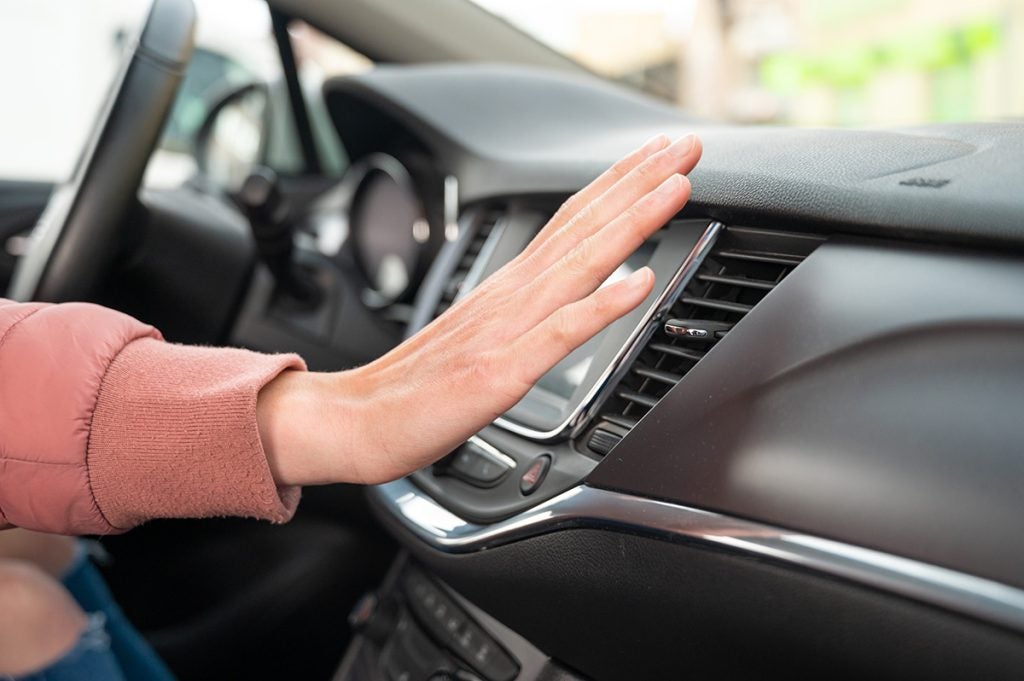
A hand in a pink sleeve checking the air flow from a car's dashboard vent.

A/C Service to Keep You Cool in Summer Months

Get Your Chevrolet A/C Checked Before Summer As summer approaches, ensuring your Chevrolet's air conditioning system is in top shape is essential for a comfortable driving experience. At Voice Motor Sales, we offer comprehensive A/C check services to keep you cool during those hot months. Our certified technicians are equipped with the latest tools and technology to diagnose and repair any issues with your A/C system, ensuring you stay comfortable on the road. Why A/C Maintenance is Important Regular A/C maintenance is crucial for the longevity and efficiency of your vehicle's cooling system. Over time, components can wear out, and refrigerant levels can drop, leading to reduced cooling performance. By having your A/C checked before summer, you can avoid unexpected breakdowns and costly repairs. Our team at Voice Motor Sales will perform a thorough inspection, checking for leaks, testing the system's pressure, and ensuring all components are functioning correctly. Schedule Your A/C Check Today What to Expect During Your A/C Check When you bring your Chevrolet in for an A/C check at Voice Motor Sales, you can expect a detailed inspection of your vehicle's air conditioning system. Our technicians will assess the refrigerant levels, inspect hoses and connections, and test the compressor and condenser. If any issues are found, we will provide you with a transparent estimate for repairs, ensuring you understand the work needed to keep your A/C running smoothly. Affordable A/C Service Packages At Voice Motor Sales, we believe in providing quality service at competitive prices. Our A/C service packages are designed to meet your needs without breaking the bank. Whether you need a simple recharge or a more extensive repair, we have options that fit your budget. Plus, our skilled technicians will ensure that your Chevrolet is ready for the summer heat, giving you peace of mind on every drive. View Our Service Packages Customer Satisfaction Guaranteed At Voice Motor Sales, customer satisfaction is our top priority. We strive to provide exceptional service and ensure that every customer leaves our dealership happy and comfortable. Our team is dedicated to addressing your concerns and providing the best solutions for your Chevrolet's A/C needs. Don't let the summer heat catch you off guard-trust us to keep your vehicle cool and comfortable. Convenient Location and Hours Voice Motor Sales is conveniently located to serve you better. Our service center is open Monday through Saturday, making it easy for you to schedule an appointment that fits your busy lifestyle. We understand that your time is valuable, which is why we work efficiently to get you back on the road as quickly as possible. Visit us today and experience the Voice Motor Sales difference! Find Us on the Map Contact Us for More Information If you have any questions about our A/C check services or would like to learn more about how we can help you prepare your Chevrolet for summer, don't hesitate to reach out. Our friendly staff is here to assist you with any inquiries and help you schedule your appointment. Contact us today and ensure your vehicle is ready for the warm weather ahead! Contact Us

A smiling couple receiving car keys from a salesperson after a purchase.

Leasing vs Financing Explained

Leasing vs Financing Explained At Voice Motor Sales, one of the most common questions we hear from shoppers is whether it makes more sense to lease or finance a vehicle. Both options can help you get into a new car, truck, or SUV, but they work differently and each comes with its own advantages. The better fit depends on your budget, how much you drive, how long you typically keep a vehicle, and what matters most to you over time. For some drivers, leasing offers lower monthly payments and the chance to drive a newer vehicle every few years. For others, financing makes more sense because it leads to ownership and long-term value. Understanding the key differences can make the decision much easier, especially when you are comparing payment options on your next vehicle. What Is Leasing? Leasing is a way to drive a vehicle for a set period of time, usually a few years, without purchasing it outright. During the lease term, you make monthly payments to use the vehicle, but you do not own it. At the end of the lease, you generally return the vehicle, although some leases may include a purchase option. Because lease payments are typically based on the vehicle's expected depreciation during the lease term rather than the full purchase price, leasing often comes with lower monthly payments than financing the same model. If you want to explore current vehicle options before deciding, you can browse available inventory or check current specials and offers. What Is Financing? Financing means you are buying the vehicle over time through monthly payments. Instead of paying the full price upfront, you borrow money and repay it over an agreed loan term. Once the loan is paid off, the vehicle is yours. For many buyers, financing is appealing because each payment goes toward ownership. If you plan to keep your vehicle for a long time, financing can offer better long-term value. If you want to get started early, you can apply for financing, get pre-qualified, or estimate your monthly costs with the payment calculator. Key Differences Between Leasing and Financing The biggest difference between leasing and financing is ownership. With a lease, you are paying to drive the vehicle for a certain term. With financing, you are paying to eventually own it. Another major difference is the monthly payment structure. Leasing often offers lower monthly payments, which can make it easier to fit a newer vehicle or a higher trim level into your budget. Financing usually means higher monthly payments, but those payments help build ownership in the vehicle. There is also a difference in long-term flexibility. Leasing may be a better fit for drivers who like upgrading more often. Financing may be a better fit for drivers who want to keep their vehicle for many years and continue driving it after it is paid off. Mileage and wear are also important considerations. Leases usually come with mileage limits and vehicle condition guidelines. Financing generally does not include those same restrictions, since you are working toward ownership. The Pros of Leasing One of the biggest advantages of leasing is the potential for lower monthly payments. That can make a new vehicle more affordable on a month-to-month basis. Leasing can also be a strong option for drivers who like being in a newer vehicle more often. If you enjoy updated styling, newer tech features, and current safety systems, leasing can make it easier to upgrade every few years. Another benefit is that many leased vehicles stay under factory warranty for much or all of the lease term. That can help reduce concerns about major repair costs and make the experience feel simpler during the lease period. Leasing may also appeal to drivers who prefer shorter commitments and like the flexibility of exploring new options at the end of the term. Leasing May Be a Good Fit If You: Want lower monthly payments Like driving a newer vehicle every few years Drive a predictable number of miles each year Prefer shorter-term commitments Want easy access to newer features and technology The Pros of Financing The biggest advantage of financing is ownership. Once your loan is paid off, the vehicle is yours. That means you can keep driving it without monthly payments, which can create strong long-term value. Financing also gives you more freedom. You typically do not have to worry about mileage limits, and you have more flexibility in how long you keep the vehicle. That can be especially helpful if you have a long commute, drive more than average, or simply prefer to keep a vehicle for many years. Another advantage is that financing allows you to build equity in the vehicle. Even though vehicles depreciate over time, your payments are still going toward ownership rather than temporary use. For some buyers, financing is also the better option because it provides more room for personalization and long-term use without lease-end concerns. Financing May Be a Good Fit If You: Plan to keep your vehicle long term Want to own your vehicle outright eventually Drive more than average Prefer fewer usage restrictions Want better long-term value from your payments Which Option Is Right for You? The right choice depends on your priorities. Leasing may be the better fit if you want lower monthly payments, enjoy driving newer models, and do not mind changing vehicles more often. Financing may be the better fit if you want ownership, drive a lot, or plan to keep your vehicle for the long haul. We encourage shoppers to think about how they actually use their vehicle day to day. A lower monthly payment can be attractive, but so can the long-term value that comes with owning a vehicle outright. Looking at your driving habits, budget, and future plans can help make the right answer much clearer. Final Thoughts on Leasing vs Financing When comparing leasing vs financing, there is no universal best choice. Leasing offers flexibility, lower monthly payments, and the ability to move into a newer vehicle more often. Financing offers ownership, fewer restrictions, and long-term value. Both options have real benefits. The most important thing is choosing the one that fits your lifestyle, your financial goals, and how you plan to use your next vehicle. If you want to talk through your options, start with the finance department or contact the team. Both options have real benefits. The most important thing is choosing the one that fits your lifestyle, your financial goals, and how you plan to use your next vehicle. If you want to talk through your options, start with the finance department or contact the team. Disclaimer: This article is provided for general informational purposes only and should not be considered financial, legal, or tax advice. Lease terms, finance terms, monthly payments, eligibility, vehicle availability, and lender requirements may vary based on credit profile, vehicle selection, manufacturer programs, and other factors. Contact Voice Motor Sales for current offers and vehicle-specific details. Ownership Disclaimer: This article is owned by Voice Motor Sales, Inc. and may not be copied, reproduced, or redistributed without permission. See Our New Inventory

A car's dashboard infotainment system displays various apps like Phone, PlayStore, Google Assistant, Climate, and Maps.

How to Pair Your Phone and Set Up Apple CarPlay/Android Auto in Your New Chevrolet

How to Pair Your Phone and Set Up Apple CarPlay or Android Auto in Your New Chevrolet If you just brought home a new Chevrolet, one of the first things you will probably want to do is connect your phone. Bluetooth pairing, Apple CarPlay, and Android Auto make it easier to take calls, stream music, use navigation, and access compatible apps through your Chevy infotainment system. On compatible Chevrolet vehicles, these features are supported through the vehicle's smartphone integration system, though the exact menus and setup flow can vary by model and infotainment version. At Voice Motor Sales in Kalkaska, we get a lot of questions from drivers who want a simple explanation of how phone pairing works in newer Chevy models. This guide keeps it straightforward and focuses on the setup steps most owners need right away. How to Pair Your Phone to Bluetooth in a New Chevrolet For standard hands-free calling and audio streaming, start with the vehicle turned on and in Park. Then open your phone's Bluetooth settings, make sure Bluetooth is on and discoverable, tap the Phone icon on the center display, and choose the option to add or connect a new phone. After that, select your vehicle on your phone, confirm the pairing code, and approve the prompts. Turn on the vehicle and keep it in Park. On your phone, go to Settings > Bluetooth and make sure Bluetooth is turned on. On the Chevy infotainment screen, tap Phone. Select Add Phone, Pair Device, Connect Phone, or the + icon, depending on your system. Choose your Chevrolet from the list of available Bluetooth devices on your phone. Confirm the code shown on your phone matches the one on the vehicle screen. Accept the pairing request and allow access to contacts and messages if you want full functionality. Once your phone is paired, it will usually reconnect automatically when you start the vehicle again, depending on your phone settings and whether another device is set as priority. How to Set Up Wireless Apple CarPlay in a Chevrolet On supported Chevrolet models, wireless Apple CarPlay can usually be started after pairing your iPhone to the infotainment system. Chevrolet's support guidance says wireless CarPlay setup begins by connecting your phone to the infotainment system using Bluetooth and then following the prompts on the vehicle screen and on your iPhone. Step-by-Step Wireless Apple CarPlay Setup Put your Chevrolet in Park. On your iPhone, make sure Bluetooth and Wi-Fi are both turned on. On the infotainment screen, tap the Apple CarPlay icon, or start through the Phone menu if prompted. Select your vehicle on your iPhone if needed. Approve the pairing and Apple CarPlay prompts on both your phone and the center display. Follow the on-screen instructions to finish setup. If Apple CarPlay does not open automatically, tap the Apple CarPlay icon on the infotainment screen. After the initial setup, supported Chevrolet models should reconnect to wireless Apple CarPlay automatically in the future. Once the connection is complete, Apple CarPlay should launch on the infotainment screen. If it does not open automatically, tap the Apple CarPlay icon on the display. On supported Chevrolet models, wireless Apple CarPlay should reconnect automatically after the initial setup, making it easier to access navigation, calls, messages, and music without plugging in your phone. How to Set Up Android Auto in a Chevrolet Chevrolet's Android Auto support says to start with the vehicle in Park, then tap the gray Android Auto icon on the center display and pair or connect your phone using Bluetooth. Chevrolet also says both Bluetooth and Wi-Fi should be enabled on your phone for applicable vehicles. Put the vehicle in Park. Turn on Bluetooth and Wi-Fi on your Android phone. Tap the Android Auto icon on the infotainment screen. Pair or connect your phone to the vehicle. Follow the prompts on the screen and on your phone. Accept the terms and permissions to finish setup. If the Android Auto icon is grayed out, check that both Bluetooth and Wi-Fi are enabled, then make sure your phone software and vehicle infotainment software are up to date. Does Your Chevrolet Use Wired or Wireless Phone Integration? It depends on the vehicle and infotainment system. Some vehicles can switch to wireless Apple CarPlay after the initial setup, while Android Auto and other smartphone integration features may also depend on Bluetooth, Wi-Fi, USB connection type, and overall vehicle compatibility. If you are not sure what your Chevy supports, the easiest option is to start with the on-screen prompts and then check your infotainment settings after the first successful connection. Common Problems When Pairing a Phone in a Chevrolet If your phone will not connect, there are a few common things to check first. Many first-time pairing steps require the vehicle to be in Park. Connection issues can also happen if Bluetooth or Wi-Fi is turned off on the phone or the vehicle. For Apple CarPlay and Android Auto, outdated phone software or infotainment software can also cause setup problems. If the connection still is not working, try forgetting the phone connection on both the vehicle and the phone, restarting both, and pairing again. For Apple CarPlay, using the correct USB cable can also help when a wired connection is required or when troubleshooting. A Few Tips to Make Setup Easier It helps to approve contacts, messages, and app permissions during setup so you do not have to go back and reconfigure everything later. It is also smart to remove old vehicle pairings from your phone if you recently traded in another car, since saved connections can sometimes interfere with the new one. If you use multiple phones in the same vehicle, make sure the primary phone is the one set to connect first. That can help avoid confusion when the vehicle starts and tries to reconnect automatically. Final Thoughts Pairing your phone and setting up Apple CarPlay or Android Auto in a new Chevrolet is usually quick once you know where to start. The easiest approach is to begin in Park, use the Phone, Apple CarPlay, or Android Auto icon on the center display, and follow the prompts on both the vehicle screen and your phone. For local Chevy owners, this is one of the easiest ways to make a new vehicle feel familiar right away. If you need more help with your new Chevrolet, you can visit Voice Motor Sales in Kalkaska, MI. Disclaimer: Vehicle features, smartphone compatibility, and setup steps may vary by model, trim, infotainment system, software version, and mobile device. Always refer to your vehicle owner's manual and on-screen prompts for instructions specific to your Chevrolet. Ownership Disclaimer: This article is owned by Voice Motor Sales, Inc. Apple CarPlay is a trademark of Apple Inc. Android Auto is a trademark of Google LLC. Chevrolet is a registered trademark of General Motors LLC. Voice Motor Sales, Inc. is an independent authorized Chevrolet dealer and is not affiliated with Apple Inc. or Google LLC.

Contact Us

Fill out this form below and we'll contact you shortly
*Required Fields